
Certify once, remove integration burden
Smart-energy devices only deliver their full value when they work consistently and in harmony with the wider energy system. Mercury certifies how a device behaves for the grid – how it responds, what it reports, and how it handles issues – so a certified device behaves the same way with any Mercury-aligned utility or platform. It sits on top of the protocols you already run, like OCPP and OpenADR, rather than replacing them.
Overcoming the interoperability challenge
An estimated 40 million low-carbon devices are connected to the grid today, heading toward 200 to 600 million by the end of the decade. Hand-built integration was never going to scale to those numbers.
A device certified for one utility often will not work with the next, even when both run the same protocol, because the protocols leave gaps that each integration fills differently. Every new partnership becomes another integration to build, and then to keep alive.
Mercury certifies the device’s grid behavior once, so the work carries across every partner instead of starting over each time.
How the certification works

Each certification opens a market
One certification lets a device behave the same way with every Mercury-aligned utility, lowering the friction for a device to be used by a utility or flex provider.

Built on the protocols you already run
Mercury sits on top of industry protocols such as OCPP, OpenADR. Your existing investment carries forward as the foundation Mercury certifies against.

Vendor-neutral, nonprofit, cross-sectional
Mercury is a US-based 501(c)(6) nonprofit, with a board, working groups, and a roadmap every Full Member votes on. We bring together stakeholders, often competitors, to shape solutions that benefit the whole industry and consumers.

Performance classes you can plan around
Mercury groups devices into performance classes, from near-instant response down to slower local flexibility, each defining how a device responds and handles issues. A certified device behaves the same way whatever the brand.

The fleet already in the field
Devices already shipped and installed can be brought into certification with no hardware swap, so the installed fleet is not left behind.
What the certification gives you

Cost that stops compounding
Integration cost climbs with every brand you add. Certification turns that recurring spend into a one-time cost, so adding the eleventh certified device or utility platform costs about what the first did.

Ready for where procurement is heading
Utilities and regulators are moving toward standards-based procurement. Certifying now positions a device for that shift, ahead of any mandate in force today.

A grid that can lean on flexibility
When a fleet of devices behaves to a known class, demand response becomes dependable enough to plan around and provides flexibility a grid can lean on when conditions get tight.
Built by the industry, together
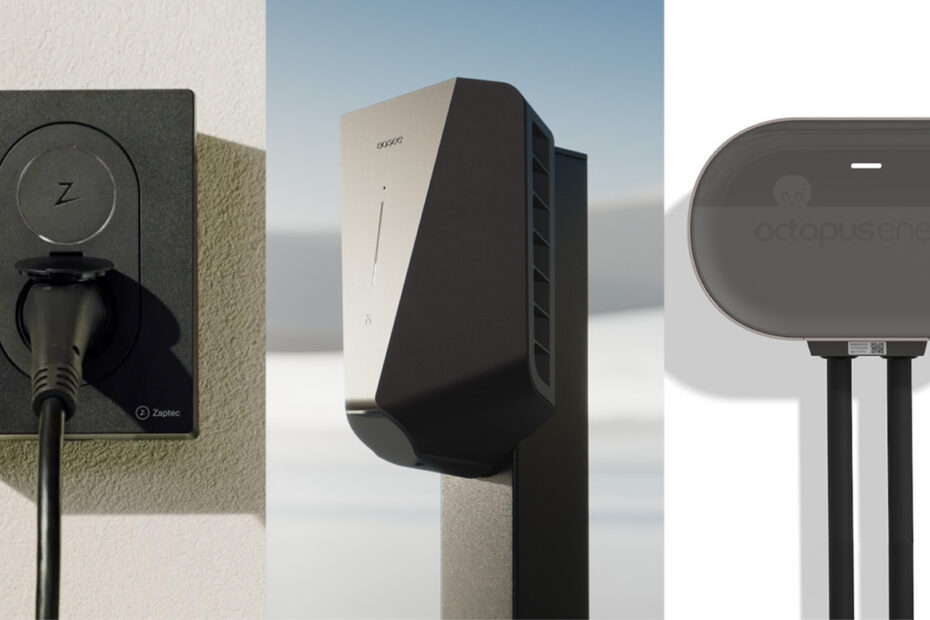
Mercury is built by companies that compete – manufacturers, utilities, technology providers, and flexibility platforms – agreeing on neutral ground what a device must do for the grid. The first specification, for EV chargers, is complete and certifying. Three chargers from three makers, the Easee One, Octopus Charge, and Zaptec Go 2, are independently certified to Class Alpha, with home batteries, solar inverters, and heat pumps next.